Adventure Retro: A Vintage Font with Modern Grit
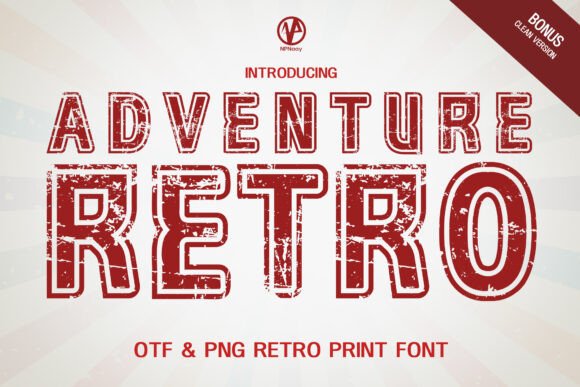
Every so often, a typeface comes along that doesn’t just sit on the page—it tells a story before you even read the first word. That’s the feeling you get with Adventure Retro. It’s not a clean, sterile font you’d use for a quarterly report. This is a vintage and grunge-distressed display font, built for projects that need a heartbeat, a bit of history, and a whole lot of character. If you’ve ever felt your designs lacked a certain edge or authenticity, this might be the missing piece you’ve been searching for.
So, what exactly defines its look? Imagine the bold, blocky lettering on a 1970s national park sign, or the hand-painted title of a classic adventure movie poster. Now, add the subtle texture of time—the faint wear and tear that comes from years of exposure to sun and wind. Adventure Retro captures that aesthetic perfectly. The letterforms are sturdy and confident, often featuring slab serif elements that ground them in tradition. Yet, the distressed texture keeps them from feeling stiff or outdated. It’s this blend of reliability and ruggedness that makes it so visually appealing. It feels handcrafted, genuine, and full of narrative potential.
Where This Typeface Truly Shines
Understanding where to deploy a font like this is key to unlocking its value. Its personality is strong, so it’s best used where you want to make a statement. Think of it as the headline act, not the background singer.
For branding and logo design, Adventure Retro is a powerhouse for businesses that want to convey heritage, craftsmanship, or outdoor spirit. A craft brewery, a vintage clothing brand, an independent bookstore, or a woodworking studio could build an entire visual identity around it. It instantly communicates a sense of established quality and authenticity. Pair it with a clean sans serif for body text, and you have a brand system that is both distinctive and highly functional.
In packaging design, shelf appeal is everything. This font can make a product jump off the shelf. Picture it on a coffee bag, a hot sauce label, or a box of artisanal chocolate. The textured, retro style suggests care and tradition, telling the customer there’s a story behind the product. It works exceptionally well on kraft paper or textured cardstock, enhancing the tactile experience.
For social media graphics and digital content, stopping the scroll is the primary goal. Adventure Retro’s bold, textured presence is ideal for Instagram carousels, YouTube thumbnails, or event announcements. It adds instant visual interest and can help establish a consistent, recognizable aesthetic for your feed. When used for quotes, promotions, or series titles, it creates a cohesive look that followers will come to associate with your brand.
Practical Considerations for Effective Use
While its style is compelling, practical application is what separates a good design from a great one. Here’s how to use Adventure Retro effectively in your projects.
Readability is paramount. As a display font, it’s engineered for impact at larger sizes—think headlines, banners, and titles. Using it for long paragraphs of body copy would be a mistake, as the distressed details could become visually noisy and hinder reading comfort. Always pair it with a highly legible serif or sans serif font for supporting text. A classic combination might be Adventure Retro for your H1 heading and a font like Open Sans or Lora for your paragraphs.
Match the font to your project’s goal. Ask yourself: what feeling am I trying to evoke? If the answer is adventure, nostalgia, ruggedness, or authenticity, you’re on the right track. It might not be the best fit for a minimalist tech startup or a luxury jewelry brand seeking ultra-modern sleekness. Context is everything.
Explore the font family. A premium font often comes with more than just the basic letters. Check what’s included with Adventure Retro. Does it have alternate characters? A set of stylistic ligatures? A collection of decorative ornaments or catchwords? These extras are design assets that can elevate your work from good to exceptional, allowing for more customized and unique typography.
Consider commercial licensing. If you plan to use the font for client work, merchandise for sale, or any commercial application, ensure you have the correct license. Most reputable font licenses are straightforward, but it’s crucial to verify that your intended use is covered, especially for things like print-on-demand products or digital templates.
Beyond the Obvious: Creative and Editorial Applications
The utility of a strong display typeface extends far beyond logos and posters. Think about editorial layouts for magazines, lookbooks, or digital zines. Using Adventure Retro for chapter titles, pull quotes, or section headers can unify the entire publication’s visual theme, especially if the content revolves around travel, history, or lifestyle topics.
For digital products and marketing assets, consistency builds trust. Imagine the headers in your online course workbook, the title slide of your webinar presentation, or the cover of your downloadable PDF guide all sharing the same typographic voice. This creates a professional, polished experience that reinforces your brand identity at every touchpoint.
Even merchandise and invitations benefit from its distinctive charm. A t-shirt design, a tote bag, a wedding invitation with a rustic theme, or a concert poster for a folk band—these are all scenarios where Adventure Retro doesn’t just fit in; it becomes the focal point that ties the entire concept together.
Ultimately, choosing a typeface is a design decision that impacts communication, emotion, and recognition. Adventure Retro is more than just a collection of letters; it’s a versatile design tool for creators who want to inject a dose of vintage authenticity into their work. By understanding its strengths and applying it thoughtfully, you can create visuals that don’t just look good, but feel genuinely compelling. Add it confidently to your toolkit, and you’ll likely find it brightening up your projects in ways you hadn’t anticipated.